


Keeping weeds out of a lawn in Regina isn’t always simple.
A lot of weed problems start before the weeds even show up. If the grass is cut too short, the soil is dry or compacted, or the lawn has thin patches, weeds have an easier time moving in.
We see this a lot in spring and early summer. Dandelions, clover, thistle, and other broadleaf weeds can spread fast once the weather warms up.
The best weed control usually comes from two things working together: a healthier lawn and the right treatment at the right time.
Here are a few practical lawn care habits that can help Regina homeowners keep weeds under control.
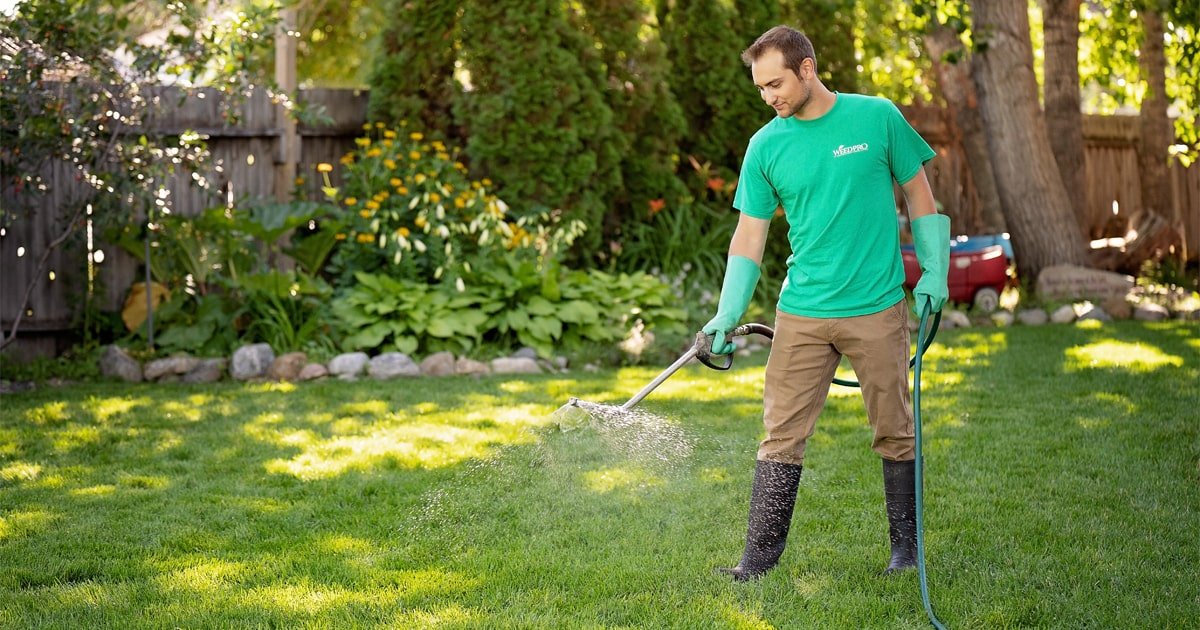
Weeds don’t just make a lawn look rough. They compete with your grass for water, sunlight, and nutrients.
Once weeds get established, they can make the lawn thinner. And when the lawn gets thinner, more weeds usually move in. That’s why weed control is easier when the lawn is still healthy, not after the yard is already full of weeds.
A thick lawn is one of the best natural defenses against weeds. It shades the soil, holds moisture better, and gives weed seeds less room to grow.
Most homeowners in Regina deal with the same types of weeds every year.
Dandelions are usually the most noticeable in spring. Clover can spread through thin lawns, especially when the grass is weak. Thistle and other broadleaf weeds can also become a problem if they’re left too long.
Some weeds are easy to pull when they’re small. Others come back if the root isn’t removed properly. That’s why timing matters. The earlier weeds are handled, the easier they are to manage.

Cutting the grass too short is one of the most common lawn care mistakes.
A short lawn may look clean for a few days, but it usually puts more stress on the grass. It also lets more sunlight reach the soil, which can help weed seeds grow.
For most Regina lawns, keeping the grass close to 3 inches during the growing season is a good target.
Taller grass helps protect the soil, hold moisture, and support stronger roots. It also makes it harder for weeds to take over.
Try not to remove too much grass at one time. If the lawn has grown tall, cut it down gradually instead of scalping it all at once.
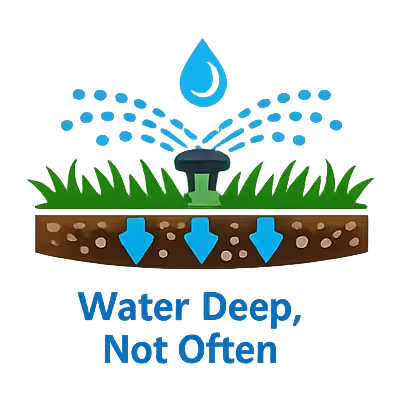
A lot of homeowners water too lightly.
A quick sprinkle every day usually doesn’t help the lawn build strong roots. It often keeps the surface wet while the deeper soil stays dry.
It’s better to water deeply when the lawn actually needs it. This encourages the roots to grow deeper, which helps the grass handle dry Regina weather better.
Morning is usually the best time to water. The lawn has time to absorb the moisture before the day gets hot, and the grass doesn’t stay wet all night.
If the lawn is always damp on the surface, that can create other problems too. The goal is not to keep the lawn wet all the time. The goal is to help the roots grow stronger.

A healthy lawn has a much better chance of keeping weeds down.
Fertilizer helps the grass grow thicker and stronger, especially after winter or during the main growing season. But timing matters. Fertilizer works best when the grass is actively growing and ready to use the nutrients.
For many Regina lawns, spring and fall fertilization can make a noticeable difference. Spring helps the lawn recover and green up. Fall helps strengthen the lawn before winter.
Fertilizer alone won’t fix every weed problem, but it’s an important part of a good lawn care plan.

Compacted soil is common in many yards around Regina. When the soil gets hard, water and nutrients have a harder time reaching the roots.
You may notice thin grass, bare patches, or areas that dry out faster than the rest of the lawn. Weeds often move into those weak spots first.
Aeration can help loosen the soil and give the roots more room to breathe. Overseeding can help fill thin areas before weeds take over.
Not every lawn needs aeration every year, but if the ground feels hard or the lawn looks patchy, it may be worth looking at.

Small weeds are much easier to deal with than large ones.
If you only have a few weeds, hand-pulling can help. Try to remove the root, especially with dandelions. If the root breaks and stays in the soil, the weed may come back.
It’s also important not to wait until weeds go to seed. Once that happens, a small problem can turn into a bigger one pretty quickly.
Early weed control saves a lot of work later in the season.

One mature weed can create a lot of future weeds.
Regular mowing can help stop some weeds from producing seeds, but mowing alone usually isn’t enough. If weeds are already spreading, they need to be removed or treated properly.
This is where timing makes a big difference. Treating weeds while they’re actively growing is usually more effective than waiting until the lawn is already full of them.
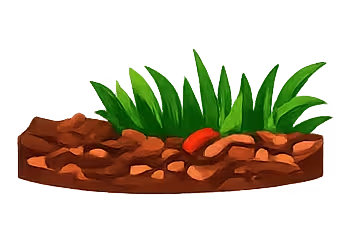
Weeds often show up along lawn edges, fences, trees, and garden beds.
Mulch can help in these areas because it blocks sunlight and helps the soil hold moisture. It also gives beds and edges a cleaner look.
Just be careful not to pile mulch too heavily against tree trunks or plants. A clean, even layer is usually enough.
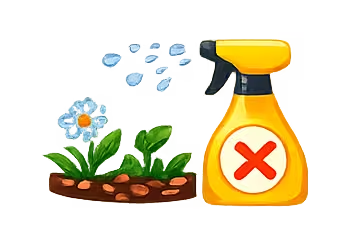
Weed control products can work well, but they need to be used properly.
The right product, timing, weather, and application rate all matter. Using too much, applying at the wrong time, or spraying in poor weather can lead to weak results or stress on the lawn.
This is one reason many homeowners choose professional weed control. It removes the guesswork and helps make sure the treatment is done at the right time.

Some DIY weed killers sound simple, but they can cause problems on a lawn.
Vinegar, salt, and boiling water may damage weeds, but they can also damage grass, soil, and nearby plants. They may leave bare spots, and bare spots often turn into new weed problems later.
For driveways or cracks, some DIY methods may seem tempting. For lawns, proper maintenance and targeted weed control are usually better.

Some weed problems are easy to handle yourself. Others keep coming back because the lawn is thin, compacted, underfed, or stressed.
If you’re dealing with stubborn weeds, bare patches, poor growth, or a lawn that never seems to thicken up, it may be time to get help.
At Weed Pro Regina, we work with local lawn conditions every season. We understand how Regina weather, soil, weeds, and short growing seasons can affect your yard.
Our lawn care services can help with weed control, fertilization, aeration, and seasonal lawn care, so your lawn has a better chance of staying thick, healthy, and easier to maintain.
If you’re tired of guessing what your lawn needs, we can take a look and recommend the right service for your yard.