


If you live in Regina, you probably know this feeling.
The snow finally melts, you walk outside to check the lawn, and it looks rough. There are brown patches, flattened grass, bare spots, little trails across the yard, or weeds starting to show up before the grass even has a chance to recover.
The good news is that most lawn problems in Regina are common, predictable, and fixable. Our lawns go through a lot here: long winters, freeze-thaw cycles, dry summer weather, heavy clay soil, and a short growing season. That combination can be hard on grass.
The mistake many homeowners make is guessing. They see brown grass and assume it needs more water. They see bare patches and throw seed on top without fixing the soil. They spray weeds but never deal with why the lawn is thin in the first place.
This guide breaks down the most common lawn problems in Regina, what they look like, why they happen, and what you can do to fix them.
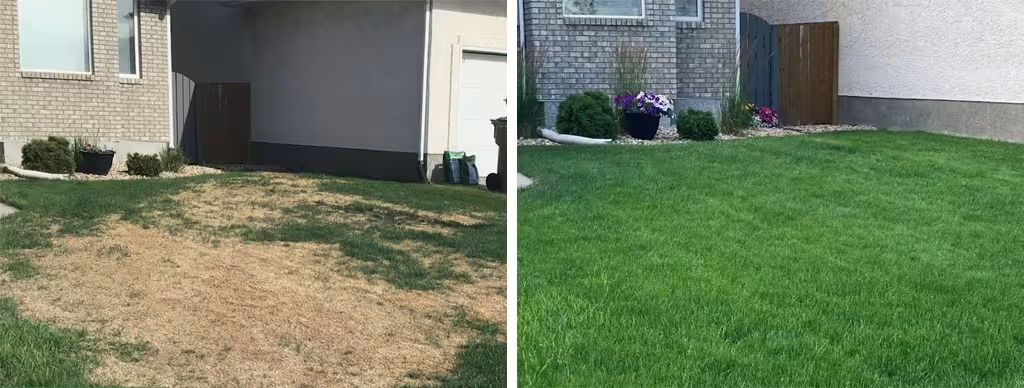
Snow mould is one of the first lawn problems people notice in spring.
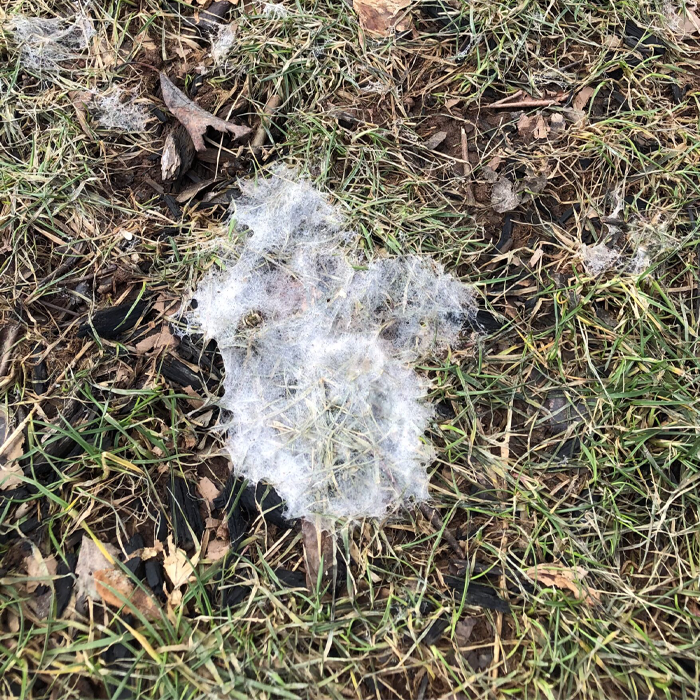
What it looks like:
You may see circular or irregular patches of matted grass after the snow melts. The grass can look grey, white, pinkish, straw-coloured, or almost glued together. It is often worse where snow sat the longest, such as beside driveways, fences, sidewalks, or areas where snow was piled during winter.
Why it happens in Regina:
Snow mould grows in cold, wet conditions under snow cover. Regina winters create the right setup: long periods of snow, wet spring melt, and grass that may have gone into winter too long or covered with leaves.
Is it serious?
Most of the time, it looks worse than it is. Snow mould often affects the grass blades, not the whole plant. If the roots are still healthy, the lawn can recover as the weather gets warmer and drier.
How to fix it:
Wait until the lawn is dry enough to walk on. Then lightly rake the matted grass to loosen it and let air reach the turf. Do not rake aggressively when the lawn is wet, because the grass is already stressed.
If the area stays thin after a few weeks of warmer weather, overseeding can help fill it back in.
How to prevent it:
Before winter, keep mowing until growth slows down, remove leaves, and avoid leaving the lawn too long and matted. Try not to pile snow in the same lawn areas all winter if you can avoid it.
Winter kill is different from snow mould.
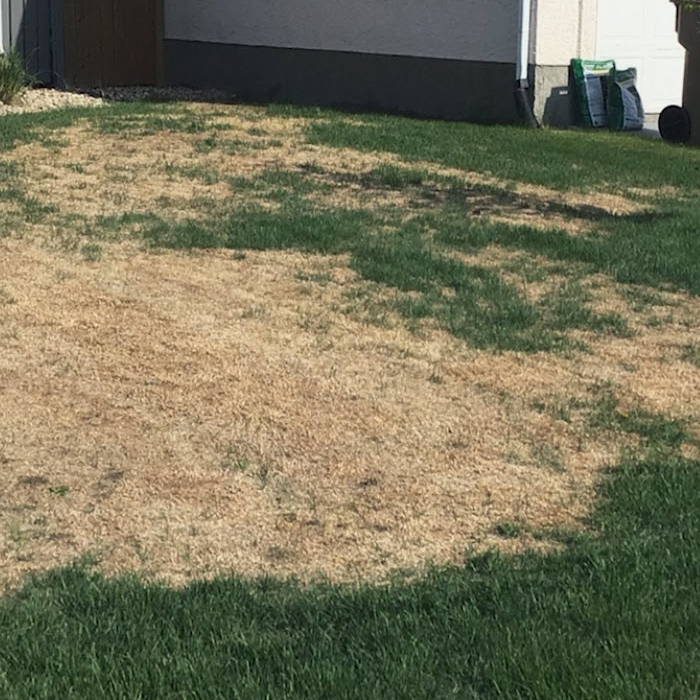
What it looks like:
Winter kill usually shows up as dead patches that do not green up in spring. The grass may pull out easily, with little resistance. The area often looks dry, straw-coloured, and lifeless even after the rest of the lawn starts growing.
Why it happens in Regina:
Regina lawns can be hit by extreme cold, dry winter wind, ice buildup, and repeated freeze-thaw cycles. Open areas with less snow cover can dry out. Low spots can hold ice. Areas near sidewalks and driveways can also suffer from snow pile pressure, salt exposure, and compaction.
How to fix it:
Do not panic too early. Some grass looks dead in early spring but is only slow to wake up.
By mid to late May, if the area still has no growth, rake out the dead material, loosen the top layer of soil, add a light layer of compost or quality topsoil, and overseed.
For larger areas, overseeding after aeration usually works better than throwing seed onto hard ground.
Vole damage is common after winter and can look scary when the snow melts.
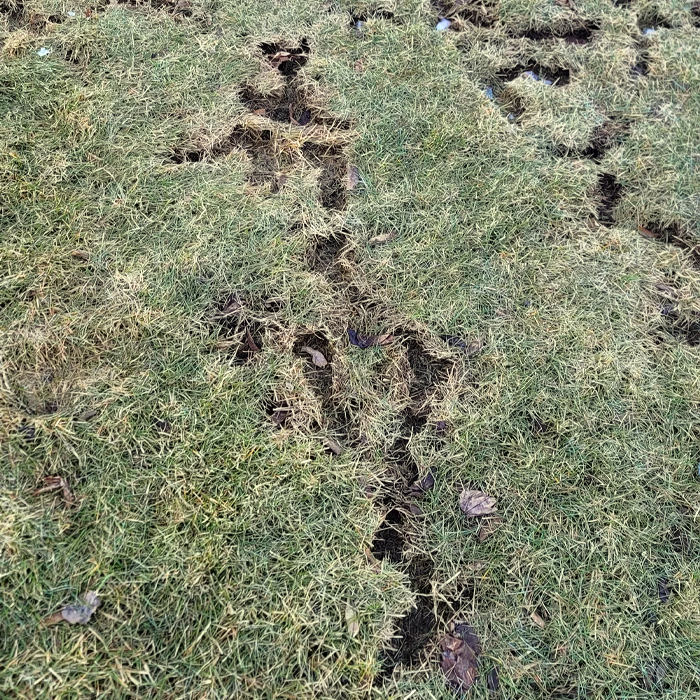
What it looks like:
You may see narrow trails or runways across the lawn. They often look like little winding paths where the grass has been flattened, chewed, or worn down. The damage is usually most visible in early spring.
Why it happens:
Voles stay active under the snow. They use the snow as cover and move through the lawn all winter. When the snow melts, their trails are suddenly visible.
Is it permanent?
Usually, no. A lot of vole damage is surface-level. If the roots are still alive, the lawn can recover with time, raking, and some repair.
How to fix it:
Lightly rake the trails to remove loose dead grass and help the area dry out. If the trails stay thin, overseed them once the soil is warm enough. Keep the repaired areas moist while the seed germinates.
How to prevent it:
Before winter, keep the lawn at a reasonable height and clean up heavy leaf piles. Tall, dense grass and debris give voles more cover.
Compacted soil is one of the biggest hidden problems on Regina lawns.
What it looks like:
The lawn may look thin, tired, dull, or slow-growing. Water may sit on top instead of soaking in. Grass may struggle in high-traffic areas, near sidewalks, beside driveways, or where kids and pets run often.
A simple test:
Push a screwdriver into the lawn. If it is hard to push in, the soil may be compacted.
Why it happens in Regina:
Many Regina yards have heavy clay soil. Clay soil can hold nutrients well, but it also compacts easily. Foot traffic, mowing when the ground is wet, heavy snow, construction, and normal use can squeeze the air spaces out of the soil.
When soil is compacted, grass roots struggle to grow deeply. Water, air, and nutrients cannot move properly into the root zone.
How to fix it:
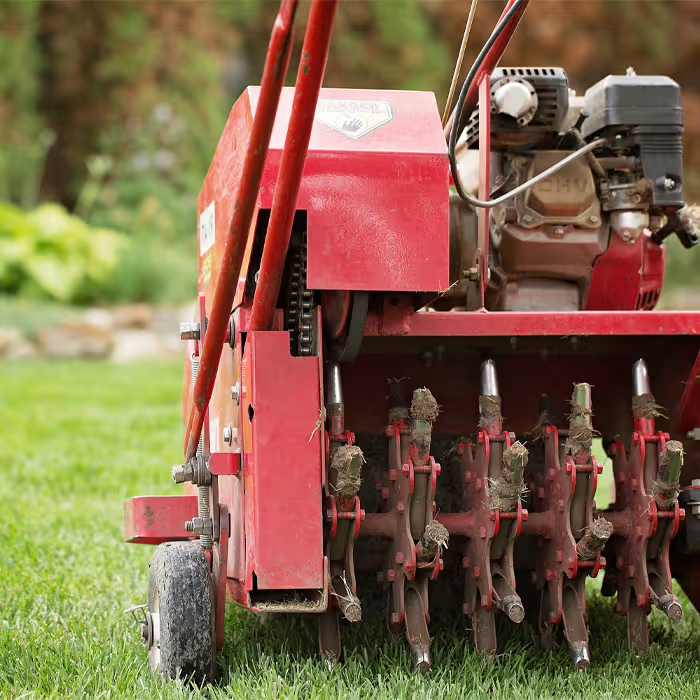
Core aeration is the best starting point. Core aeration removes small plugs of soil from the lawn, opening channels for air, water, and nutrients.
If the lawn is also thin, follow aeration with overseeding. The seed has a better chance because it can settle into the open soil.
Ant hills can make a lawn look messy and uneven.
What it looks like:
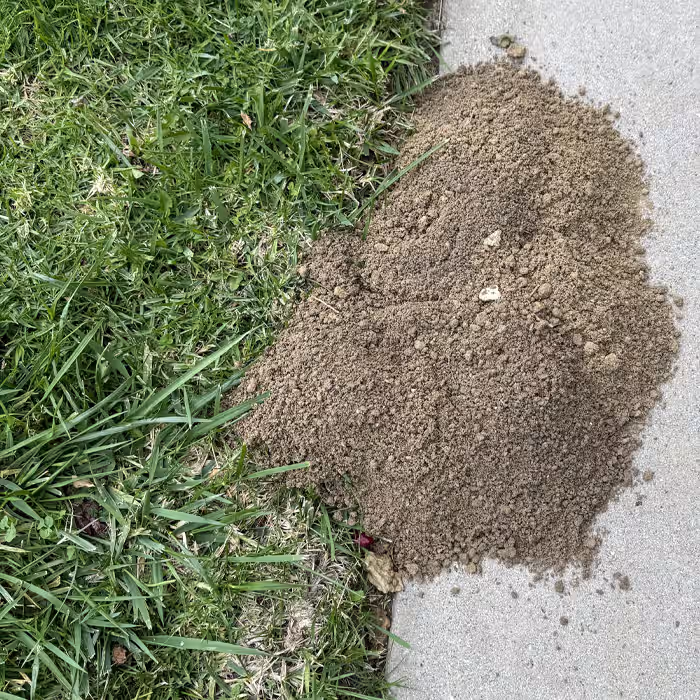
Small mounds of loose soil appear across the lawn. Sometimes there are only a few. Sometimes there are many. The lawn surface can feel bumpy, and the grass around the mounds may look thin or disturbed.
Important note:
Ants are not always “bad.” In many cases, ants are part of the yard ecosystem and can even help with soil movement. But when colonies are large or mounds are everywhere, they become a lawn appearance and comfort problem.
Why it happens:
Ants often prefer dry, open, low-organic-matter soil. Thin lawns, dry areas, and exposed soil can make the problem more noticeable.
How to fix it:
Start by raking and leveling the mounds. Keep the lawn thick and healthy so there is less exposed soil. Improving soil health with compost, proper watering, and aeration can help reduce the dry, weak conditions ants prefer.
Do not use boiling water on the lawn. It can damage grass and may not solve the actual colony problem.
If ant activity is heavy and the lawn is becoming uneven, it may be worth getting the lawn inspected.
Bare patches are one of the easiest lawn problems to notice, but they are not always easy to fix if you ignore the cause.
What it looks like:
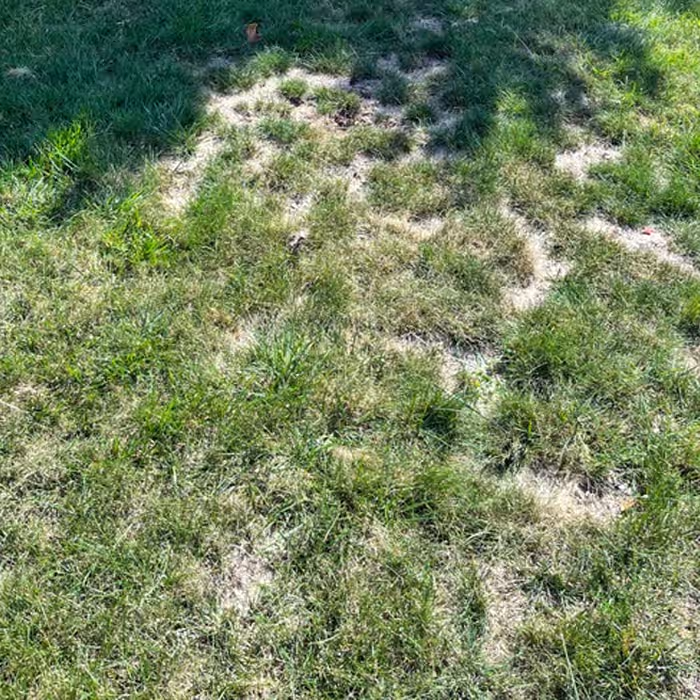
You see exposed soil with little or no grass. Weeds may start growing in the empty area. The patch may be near a driveway, along a sidewalk, under a tree, in a high-traffic area, or where winter damage happened.
Common causes in Regina:
Bare patches can come from winter kill, snow mould, vole damage, compacted soil, dog spots, salt damage, poor soil, insects, heavy foot traffic, or weak grass that never established properly.
How to fix it:
Do not just throw seed on hard soil. That usually gives poor results.
First, loosen the top layer of soil. Add a thin layer of quality topsoil or compost. Spread a good grass seed blend suited for Regina conditions. Lightly rake it in so the seed has contact with the soil. Keep the area moist until the seed germinates.
The important part is moisture. New seed dries out quickly, especially in warm or windy weather.
Why you should fix bare patches quickly:
Bare soil does not stay empty for long. Weeds move into open spaces fast. The sooner you repair bare patches, the less chance weeds have to take over.
Brown patches are one of the most common lawn problems in Regina, especially in hot and dry weather.
What it looks like:
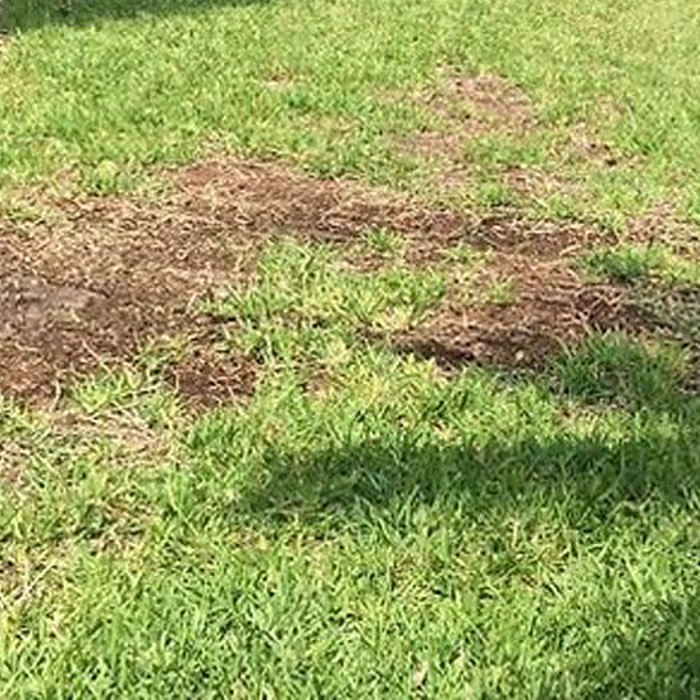
You may see tan, yellow, or brown patches in the lawn. They can be small or large, circular or irregular. Some show up in sunny areas. Some appear near sidewalks, driveways, or dry spots.
The big mistake:
Not every brown patch means drought.
Sometimes the lawn is dry. Sometimes the soil is compacted. Sometimes the grass is dormant. Sometimes insects are feeding. Sometimes water is not reaching the roots properly.
How to tell the difference:
If the whole lawn is turning dull or bluish-green before going brown, it may be drought stress.
If one patch keeps spreading even after proper watering, it may be insects, compaction, or another issue.
If the patch is near pavement, heat and dry soil may be part of the problem.
If the grass pulls up easily, there may be root or crown damage.
How to fix it:
Water deeply, not lightly every day. Early morning watering is usually best. Avoid cutting the grass too short in summer. Taller grass shades the soil, holds moisture better, and handles stress better.
If the brown patch does not improve with proper watering, get it checked before it spreads.
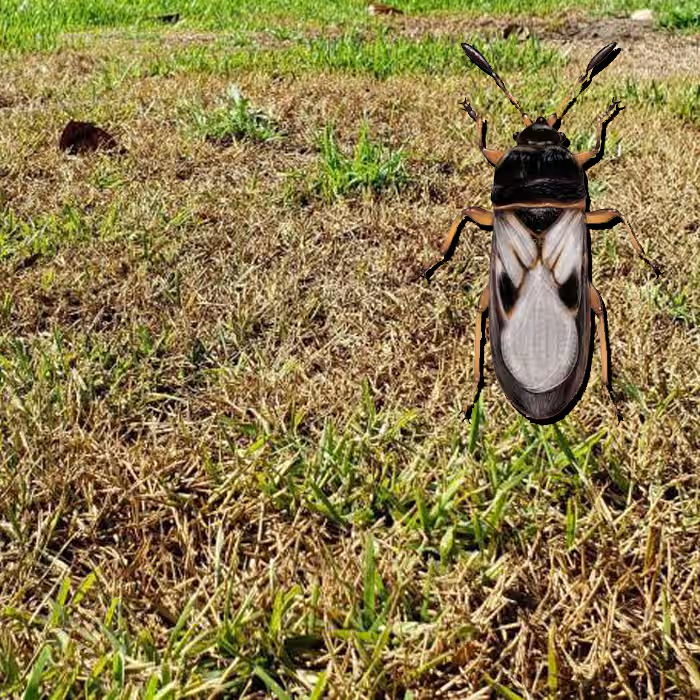
Chinch bug damage is often mistaken for drought.
What it looks like:
Chinch bug damage can start as yellowing grass in sunny, dry areas. Over time, the patches may turn brown and spread. It often shows up during hot weather, especially where the lawn is already stressed.
Why people miss it:
A homeowner may water more, thinking the lawn is just dry. But if chinch bugs are active, the patch can keep getting worse even with watering.
How to check:
Look closely at the edge of the damaged area, where brown grass meets healthier grass. That is often where active insects are easier to spot. Chinch bugs are small, so they are easy to miss unless you know what you are looking for.
How to reduce risk:
Keep the lawn healthy and avoid cutting it too short. Reduce excess thatch when needed. Aerate compacted lawns. Water properly during hot, dry weather, but do not overwater.
When to call for help:
If a sunny brown patch keeps spreading even after proper watering, it is better to get the lawn inspected. Waiting too long can make recovery harder.
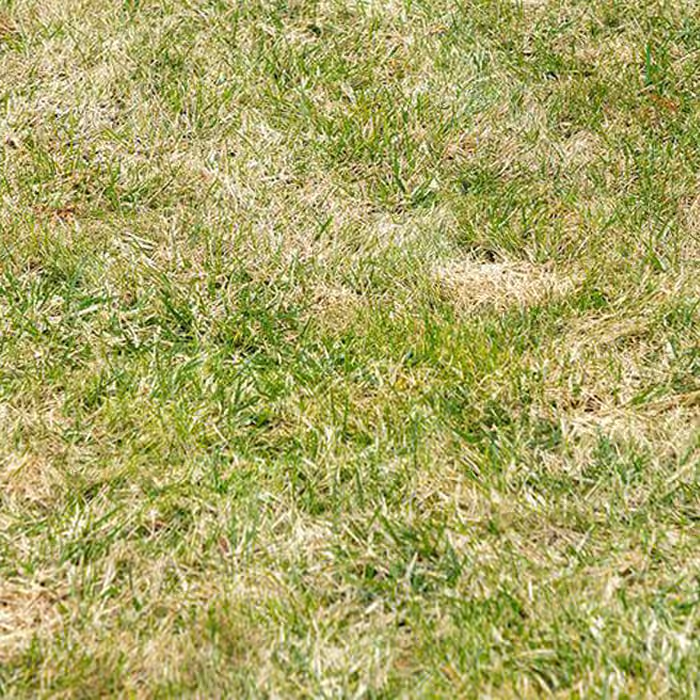
Sod webworms are another summer lawn problem that can look like drought from a distance.
What it looks like:
Damage may show up as small brown patches that expand over time. The grass can look chewed, weak, or thin. In heavier cases, the turf may feel loose because the larvae feed close to the crown and lower grass area.
Why it happens:
Sod webworm larvae feed on turfgrass, often at night. Because the damage can look like dry grass, homeowners may not notice the real issue right away.
How to check:
Look for brown patches that do not respond normally to watering. In the early morning, you may notice fine webbing with dew. If the turf feels weak or loose, that is another sign the problem may not be simple drought.
How to fix it:
If sod webworms are confirmed, treatment timing matters. Damaged areas may need overseeding after the pest issue is controlled. A thick, healthy lawn is also more resistant than a thin, stressed lawn.
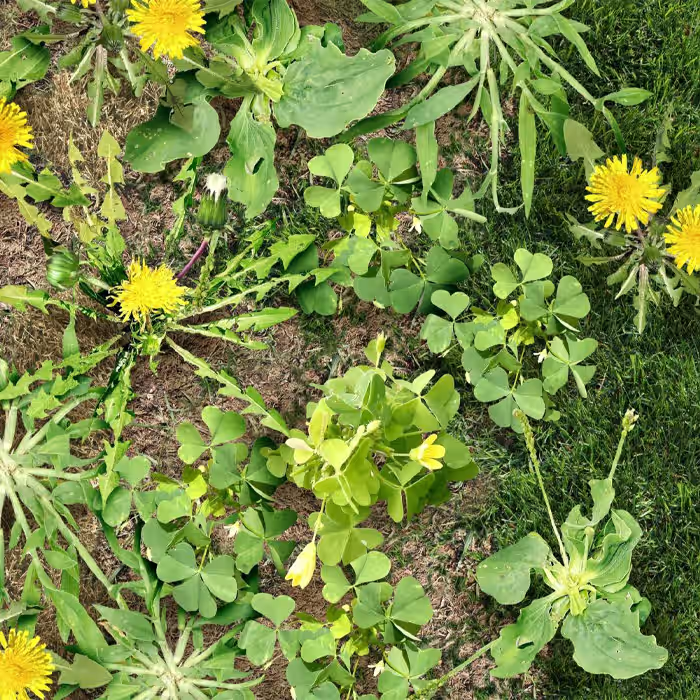
Weeds are not just a weed problem. They are often a lawn health problem.
What it looks like:
Dandelions, clover, thistle, crabgrass, creeping weeds, and other unwanted plants start filling in weak or open areas of the lawn.
Why weeds show up:
Weeds love thin grass, bare soil, compacted areas, and stressed lawns. If the lawn is thick and healthy, weeds have a harder time getting established.
Common Regina lawn weeds may include:
Dandelions
Clover
Thistle
Crabgrass
Creeping weeds
Quackgrass
How to fix it:
The best long-term weed control is a thicker lawn.
That means mowing at the right height, watering properly, fertilizing at the right time, aerating compacted soil, and overseeding thin areas. Weed control works better when the lawn itself is strong enough to compete.
If you only treat the weeds but do not fix the thin lawn, the weeds will keep coming back.
Weed Pro can help identify the problem and recommend the right next step, whether your lawn needs weed control, aeration, overseeding, fertilization, or a full lawn care package.
Get a quote today and let us help bring your Regina lawn back to life.
Brown patches can come from drought stress, compacted soil, insects, winter damage, disease, poor watering, or thin turf. If the patch keeps spreading even after proper watering, it may not be a simple water issue.
Overseeding works best when the soil is warm enough for seed to germinate. In Regina, late spring or early fall is usually better than very early spring when the soil is still cold.
Most snow mould looks worse than it is. It often improves with warm, dry weather and light raking. If it leaves thin spots behind, overseeding can help.
If water sits on the surface, the lawn is thin in high-traffic areas, or it is hard to push a screwdriver into the soil, compaction may be part of the problem.
Most ants do not directly kill grass, but large ant hills can make the lawn uneven and messy. Ants are more common in dry, open, low-organic-matter soil.
They can be a cause of spreading brown patches, especially in sunny, hot, dry areas. Because chinch bug damage can look like drought, inspection is important before guessing.
A thick, healthy lawn is the best long-term weed prevention. Weed control helps, but aeration, overseeding, proper mowing, and good lawn care make the results stronger.